Sell what your software gets done, not the tech label
Putting AI on a feature is easy, living up to the hype is not. How I name features by the job, hide errors from users, and let users decide.

Contents
If you build products, you have probably been asked: “Why don’t we put ‘AI’ on this feature so it sounds impressive?” Adding the label is easy. The hard part is what users expect after that, and who takes the blame when it breaks. This post is what I’ve learned after some time building products: how to name things so you don’t dig your own hole, how to handle errors so users never see them, and which calls to leave to the user. Not a law of physics, take what fits.
Every tech wave has a time when many products put its name on the screen: “cloud-powered”, “blockchain-based”, and lately all kinds of AI labels. The longer I do this, the more I see that users only care whether their job gets done. Nobody opens an app to admire the engine. When you book a ride, you ask when the car arrives, not how many cylinders it has.
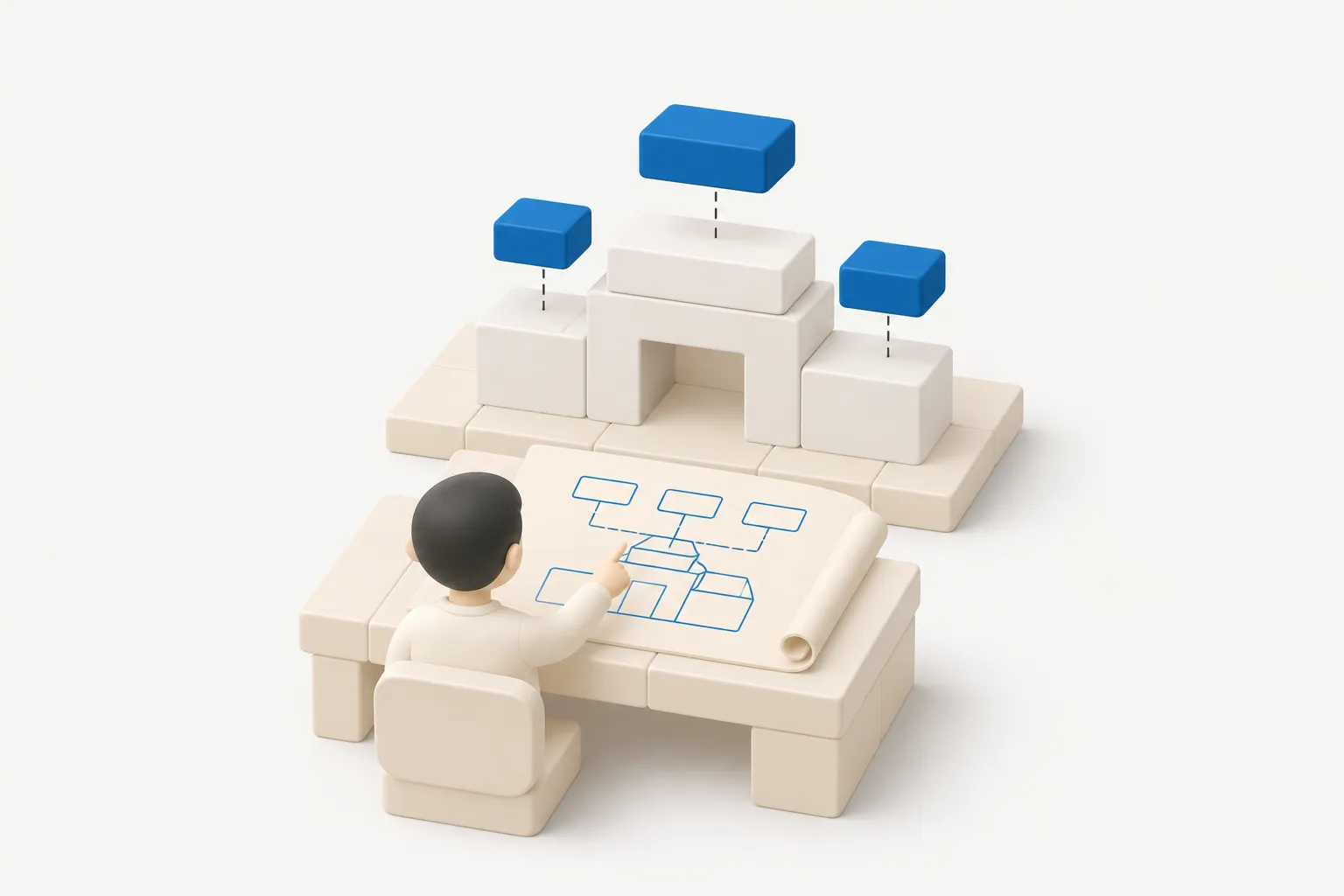
A feature name is a promise
Picture a feature called “AI-powered forecasting”. Sounds impressive. Users will expect it to be almost always right, because AI is talked about so much. Get a few numbers wrong in the first week and trust leaves faster than it came.
Call the same feature “Suggested reorder quantities” and it sounds humbler but is easier to use. Users get right away that it is a suggestion, and they check it before acting on it. The product team can measure whether the suggestions are good. Naming by the job means you decide how much users should expect, instead of letting market hype decide for you. When the hype goes up, great. When it deflates, your product deflates with it.
Infrastructure errors are not the user’s problem
Some products show the provider’s raw error message on screen: quota exceeded, overloaded, error codes that read like secret ciphers. Users can’t do anything with that except decide the app is broken. It’s like the owner of a noodle shop running out to tell you “the gas supplier is having a contract issue”: true, but the customer just wants a bowl of noodles.
What I do instead is let the feature fall back quietly when the “smart” part doesn’t respond: use fixed rules, default values, or simply hide the suggestion. Users still get their work done, just a bit less conveniently, and often they don’t even notice. One question I keep asking myself:
If switching off a supporting service stops the product from working, is it still a supporting service?
The system suggests, the user decides
For things that are hard to undo, like deleting data, emailing customers or charging money, I won’t let a system that is “right most of the time” decide on its own. “Highly likely” sounds reassuring, right up until the charge lands in the part that wasn’t likely. The best setup I’ve found so far: the system pre-fills, the user clicks confirm. The machine does the grunt work, the person keeps the final say. Users still save most of the effort, and the risky spots always get a human look.
I know some fully automated products work great, so this is just my safe choice. I simply like to sleep well.
What I try to stick to
- Name features after what they do and what you get, not the technology. People want a hole in the wall, they don’t care what the drill bit is made of.
- Every smart feature needs a clear way back for when the smart part takes a day off without asking.
- Don’t make users look at internal cost units. If you need limits, limit by things customers understand, like number of orders or reports. Don’t make customers learn the kitchen’s units of measure.
- If I’m not confident enough to stand behind the result, I don’t ship it yet, rather than adding a warning line and washing my hands of it.
That’s what I’ve learned so far, and I’m sure it’s incomplete. If you’ve done it differently and it works well, message me, and if you’re free, let’s grab a coffee and keep talking. Just order the coffee by its real name, no tech labels needed.
Share
Feedback on this post
This is my personal experience and point of view, so there are surely gaps or things I got wrong. If so, I apologise in advance and would really appreciate you pointing them out. Feedback goes privately to my email and is never shown publicly.
Want to dig deeper? Let's grab a coffee and chat, online or in person.
Grab a coffeeThank you! I have received your feedback and will reply by email.
Your feedback was not sent: please check your name, email and message.